How Compudopt’s SmartSpaces Course Curriculum Makes AI and Coding Accessible Through Community-Based Learning
Starting with the community around them, students identify real problems and get hands-on experience engineering solutions with smart technology, building their confidence in the process.
Say the words “AI” or “coding” to a room of students, and you may get a familiar reaction: crossed arms, nervous laughter, or someone quietly saying, “I’m not a tech person.”
It is an understandable response. Too often, AI and coding are introduced through technical vocabulary, syntax, and abstract problems that can feel disconnected from students’ everyday lives. When technology is presented this way, students may decide that STEM is not for them before they have had a meaningful opportunity to experience it.
Compudopt’s SmartSpaces curriculum takes a different approach. Instead of beginning with technology, it begins with something students already understand: their community.
Starting With a Problem That Matters
Rather than asking students what they know about coding or artificial intelligence, SmartSpaces begins by asking them to think about community spaces they know or use. What happens in these spaces? Who uses them? What challenges might people experience there? How could the space work better for the people it serves?
These questions create a very different entry point into STEM learning.
Students do not need prior coding experience to recognize that a community center could use better lighting, improved accessibility, safer spaces, or more efficient technology. They already have knowledge and experiences they can bring to the conversation.
This community-centered approach helps shift students from being passive learners of technology to becoming problem solvers and designers. Instead of learning technology simply because it is part of a lesson, students begin with a problem and discover how technology might help them solve it.
Using the Engineering Design Process to Build Confidence
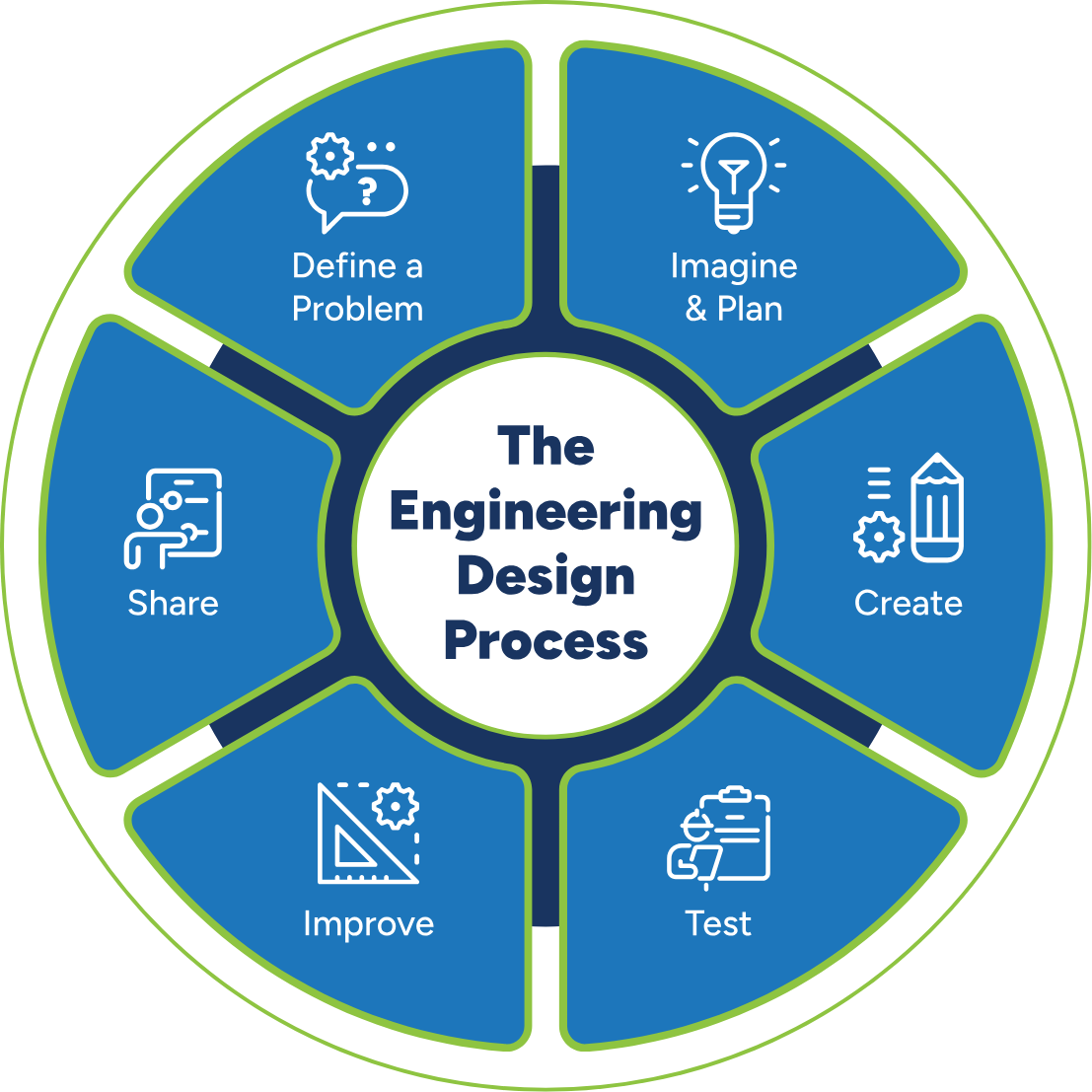
Students work through the Engineering Design Process: Define a Problem, Imagine and Plan, Create, Test, Improve, and Share.
This structure is important because students are not expected to solve everything at once. They move through the challenge one step at a time, making decisions, testing ideas, and improving their designs along the way.
Before students begin building smart devices, they first think about the people who will use their designs. They develop
user personas representing different members of the community. A persona might be a senior citizen attending an adult education class, a parent bringing children to an after-school program, or a teenager looking for a safe place to spend time after school.
Students then identify the
criteria and constraints for their designs. What does space need to accomplish? What limitations must they consider? How much space is available? What about budget, accessibility, or power?
These activities make engineering more human. Students are not simply designing a product; they are designing
for someone.
By the time technology is introduced, students already understand the problem they are trying to solve. Coding and smart technology become tools for accomplishing a meaningful goal rather than technical hurdles students must overcome.
Demystifying Smart Technology
Another important feature of the SmartSpaces curriculum is the way it introduces smart technology through familiar experiences. For many students, terms such as artificial intelligence, automation, sensors, and coding can sound complicated. But the underlying ideas are often things students encounter every day.
A porch light turns on when it gets dark. A device can be controlled remotely. A smart speaker responds to a voice command.
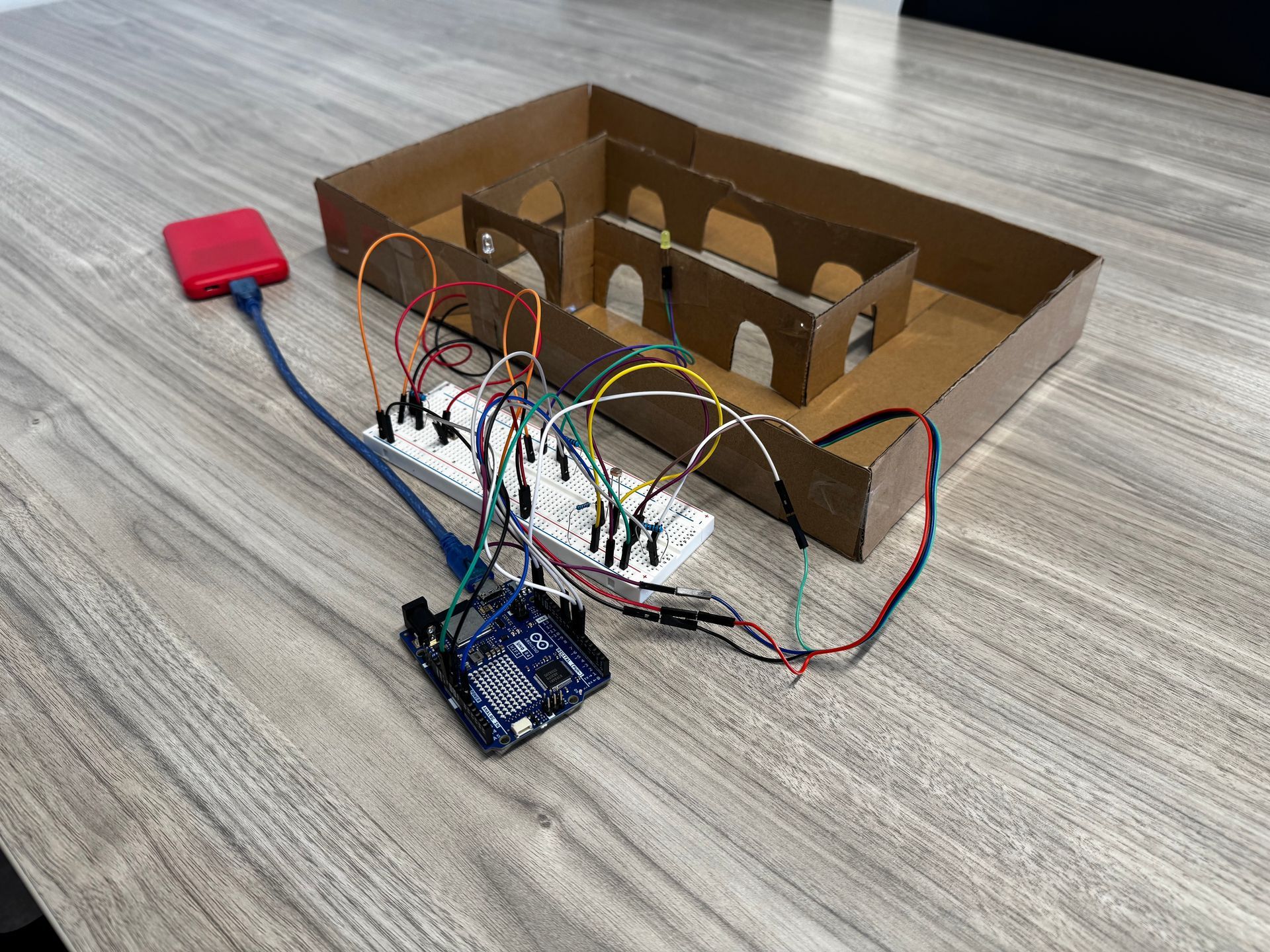
SmartSpaces builds from these familiar examples. Students design and build smart devices that can respond to a digital switch, react automatically to changes in the environment such as light levels, or respond to voice commands.
Through these experiences, students begin developing an understanding of computational thinking and automation. At its core, much of this logic can be understood through a simple idea: if
this, then
that.
Instead of beginning with lines of code on a screen, students first experience what that logic means through something they can see, manipulate, test, and improve. The technical concepts develop naturally from the experience.
Helping Students See Themselves in STEM
Perhaps one of the most important elements of the SmartSpaces curriculum is its potential to support STEM identity development.
Throughout the curriculum, Career Connections introduce students to professionals whose work relates to the concepts and challenges they are exploring. These connections help students understand that the skills they are developing have applications beyond the classroom.
Representation is especially important. When students encounter professionals from different backgrounds and learn about multiple pathways into STEM careers, they can begin to imagine themselves in those spaces as well.
The question begins to change from “Am I a STEM person?” to “Could this be something I do?”
That shift in identity can be just as important as learning a technical skill.
Start With Community, Then Introduce the Technology
Making AI and coding accessible does not mean making them less rigorous. It means creating an entry point that allows more students to see why these tools matter and how they can use them. SmartSpaces demonstrates what can happen when STEM learning begins with people rather than technology.
Students start with their communities. They identify problems. They consider the experiences of real users. They imagine solutions. Then they use engineering, mathematics, coding, and smart technology to bring those solutions to life.
By the time students encounter the technical concepts, those concepts have a purpose.
AI and coding are no longer abstract subjects reserved for students who already see themselves as “tech people.” They become tools students can use to understand their world, solve problems, and design something better.
And perhaps that is one of the most powerful ways to introduce young people to emerging technologies: not by asking them to fit into the world of technology, but by helping them discover how technology can be used to improve the world they already know.